Snow Blower vs Snow Shovel: Which Is Better? (November 2026)
Choose a snow blower for larger areas and deeper snow, and a snow shovel for small areas and light, frequent clearing. For snow blower vs snow shovel, match the tool to your typical snowfall, the space you clear and the room you have to store it.
On this page (9 sections)
- Snow blower vs snow shovel: which should you choose?
- How much area do you need to clear?
- How do snow depth and type affect the choice?
- Which option takes less physical effort?
- What about battery runtime and charging?
- How should you set up and use a powered snow tool?
- Which is easier to store and maintain?
- What mistakes can lead to the wrong choice?
- Snow blower vs snow shovel: how should you decide?
Choose a snow blower for larger areas and deeper snow, and a snow shovel for small areas and light, frequent clearing. For the snow blower vs snow shovel decision, start with the space you clear most often, then consider snowfall, physical effort and storage.
A snow blower uses a powered auger to move snow toward a discharge chute. A manual shovel depends on you to push, scrape or lift snow, while a cordless snow shovel uses a motor but has a narrower path than a full snow blower.
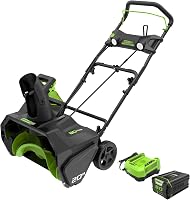
For a wider path, consider the {{product B0H7RHDZ7B | Its 21-inch clearing path suits a driveway that would take many passes with a shovel.}} For steps and short walks, the {{product B0B1TXSFMK | Its 13-inch path and 9.3-pound weight suit small areas where a full blower may be awkward.}}
Snow blower vs snow shovel: which should you choose?
Choose a snow blower when you clear a large driveway or often face deeper snow; choose a shovel for small areas and occasional light snow. A cordless snow shovel can be a useful middle option for short paths, steps and patios.
A manual shovel needs no battery, charger or powered machine to store. It asks more of your body, especially when you lift and throw snow or repeat the work over a long driveway.
A powered blower takes more room and requires setup and charging. Its wider path can reduce the number of passes across an open area, but it still needs guiding and a place to send the snow.
Think about the whole winter routine, not just the first snowfall. If you clear the same large surface several times a week, reducing repeated shoveling may matter more than the extra setup; if you only clear a few steps now and then, the extra machine may not earn its space.
When is a snow blower worth the space?
A snow blower makes sense if clearing a wide driveway by hand takes too long or snow regularly piles up beyond a shovel's comfortable depth. Compare its width and intake height with the snow you typically get.
The EGO SNT2122 has a 21-inch clearing path and 13-inch clearing height. EGO says its included batteries can clear up to a 10-car driveway covered with 8 inches of snow on a single charge.
That use case is a brand claim, not a promise for every driveway or snowfall. Slopes, snow type, depth and how slowly you move can affect how much ground you clear before recharging.
For more detail on the tradeoffs between battery and gas machines, see our guide to gas vs cordless snow blowers. If you want help matching a tool to your driveway, read how to choose a snow blower.
When is a snow shovel enough?
A manual shovel can be enough for a few steps, a short walkway or a small patio, especially if you clear light snow before it packs down. It needs little storage space and no battery to charge.
A cordless snow shovel moves snow with a motor, but you still guide it and keep within its clearing depth and runtime. It works best as a small-area tool rather than a shortcut for a long driveway.
The {{product B0D9K5QKMM | Its 20-inch path gives a medium-size area more coverage than a cordless shovel.}} For a compact powered option, our guide to what a cordless snow shovel is and who it suits explains where that category fits.
How much area do you need to clear?
A wider clearing path matters most on long, open surfaces; a shovel's compact size helps on narrow, crowded areas. Measure the space and note obstacles before choosing.
A blower with a 20- or 21-inch path covers more ground per pass than a 13-inch cordless shovel. That difference adds up across a driveway, but a wide tool can be harder to turn between cars, steps and garden edges.
A manual shovel can reach tight spots and lets you decide where to move each load. If your property includes both a broad driveway and narrow steps, one tool may not be ideal for both tasks.
Make a simple sketch of the area. Mark parked cars, gates, stairs, slopes, drains and places where you can direct the snow without blocking a path or piling it against an entrance.
Also note where snow already accumulates. A snow bank left by a plow can be harder to clear than fresh snow, so consider whether the tool's intake height and power suit that recurring spot.
How do snow depth and type affect the choice?
Match a powered tool to its stated clearing depth, and plan for extra effort when snow is wet or packed. Light, fresh snow is usually easier to move than a dense bank or snow that has frozen in place.
The VOLTASK 24V cordless shovel is intended for snow up to 6.5 inches deep. The VOLTASK 48V blower has a 10-inch clearing depth, while the EGO has a 13-inch clearing height.
Those figures help you compare the machines, but snow conditions can change the pace of a job. Work in manageable passes, avoid forcing snow beyond the tool's capacity and follow the operating instructions for your model.
A manual shovel has no motor intake limit, but deeper snow can mean heavier loads to move. Push rather than lift when the shovel and conditions allow, and take smaller passes when snow is heavy.
If snow is already above a powered machine's clearing depth, clear it in layers rather than trying to take the full depth at once. For heavy snowfall, a shovel can also help with edges and steps after a blower clears the open area.
Which option takes less physical effort?
A powered tool can reduce repeated shoveling, but you still need to guide it, manage the snow discharge and handle the machine. Choose based on the movements and weight you can manage comfortably.
A manual shovel requires pushing, scraping or lifting. A cordless snow shovel powers the snow-moving action, but you still walk behind it and steer it across the surface.
A snow blower covers more width per pass, yet it is larger to maneuver. The VOLTASK cordless shovel weighs 9.3 pounds, and the VOLTASK 48V blower weighs 22.9 pounds.
A powered tool also requires attention while running. Keep hands and feet away from moving parts, use the safety controls as directed and shut the machine off before clearing a clog or making an adjustment.
If you have a health condition or are unsure whether snow removal is safe for you, ask a health professional before taking on strenuous work. You can also arrange help or choose a service for heavy snowfall.
What about battery runtime and charging?
Battery tools suit clearing sessions that fit their available charge, so compare runtime and area instead of relying on voltage alone. Cold conditions and the snow itself can affect how much work a battery can do.
VOLTASK gives a maximum runtime of 25 minutes for its 24V cordless shovel and 30 minutes for its 48V blower. EGO says the SNT2122 can clear up to a 10-car driveway with 8 inches of snow using its two included 4.0Ah batteries on one charge.
Those figures describe different models and conditions, so they don't guarantee a direct runtime winner. If your driveway is long, consider whether you can clear it in one session or need spare batteries and time to recharge.
Before winter, charge batteries according to their instructions and keep the charger somewhere dry. VOLTASK advises charging its battery in a warm, dry environment and avoiding extreme temperatures.
Our guide to lightweight snow blowers can help if carrying or steering weight is a concern. Compare the complete setup, including batteries and charger, before you choose.
How should you set up and use a powered snow tool?
Set up the machine on a clear surface, read its controls and plan the discharge direction before snow starts falling. A short practice run in daylight can help you understand how it turns and where it sends snow.
Assemble the tool according to its instructions and check that handles, chute parts and safety controls are secure. For the VOLTASK cordless shovel, assembly is described as a two-step process; its dual safety switch must be used as directed.
Adjust the handle so you can guide the tool without leaning forward more than needed. On the EGO, the handle height adjusts, and its skid shoes can be adjusted for gravel driveways and uneven ground.
Set the chute or directional plate so snow goes to a safe, open area. Avoid sending it toward doors, parked vehicles, neighbors or spots where the pile will block the next pass.
Use overlapping passes and keep a steady pace. If the snow is deeper than the machine can clear in one pass, remove a shallower layer first instead of pushing the tool into a dense wall.
Stop and follow the manual if the auger stalls or snow clogs the machine. Never reach into an auger or chute while the tool is running, and don't leave a powered machine unattended.
Which is easier to store and maintain?
A manual shovel takes the least room and has the fewest powered parts; a blower needs space for the machine and its charging setup. Measure your storage area before buying a wider machine.
The EGO has a quick-fold handle for compact storage. A cordless shovel is smaller still, but allow space for its battery and charger.
Battery-powered machines avoid gas and fumes. EGO says the SNT2122 needs less maintenance than a traditional gas blower, but you should still follow its care instructions and inspect the machine before use.
After clearing, remove snow and moisture from the tool and let it dry according to its manual. Check for packed snow around the auger and chute, and store batteries as their maker directs.
A manual shovel also needs care: remove packed snow and moisture after use, then store it where the handle and blade won't create a trip hazard. A dry, accessible storage spot makes it easier to start clearing promptly during a storm.
What mistakes can lead to the wrong choice?
The most common mistake is buying for an unusual storm instead of the work you face most winters. Choose for your regular driveway, snow depth, storage limits and ability to manage the tool.
A narrow cordless shovel may feel convenient but require too many passes on a long driveway. A full blower can be excessive for a small porch, especially if it takes up space all year.
Don't compare machines by voltage alone. Clearing width, depth, runtime, weight, chute control and the included batteries all affect whether a model fits your job.
Don't assume a snow blower removes the need for a shovel. Steps, tight corners and the area beside a car may still need hand clearing, so a basic shovel can be useful even when a powered machine handles the driveway.
Another common mistake is ignoring discharge space. Before buying, decide where the snow can go after each pass and whether the chute can point that way.
Snow blower vs snow shovel: how should you decide?
Pick a snow blower for a broad driveway and recurring snow; pick a manual shovel for a small area and simple storage. Choose a cordless snow shovel when you want powered help for compact paths without a full-size blower.
For a long driveway or heavier accumulation, compare wider blowers and their clearing height. For a porch, a few steps or a short walkway, a manual shovel may be all you need.
If you regularly clear a mid-size driveway and want a battery machine, the VOLTASK 48V model has a 20-inch path and a 10-inch clearing depth. If storage and tight turns matter more, a cordless shovel is easier to fit around small spaces.
If your choice is between manual and cordless shovel styles, browse our best cordless snow shovels. For an overall view of machine types and use cases, start with the snow blower types guide.
Which snow blower vs snow shovel choice fits your home?
Choose by the hardest regular snowfall and the largest area you clear, not by an occasional storm. If a machine's width, depth and runtime fit that job, it can reduce passes; if not, a shovel may be simpler.
Measure storage space, check the tool's instructions and plan where discharged snow can go. A snow blower suits repeated work across open ground, while a shovel suits smaller spaces and lighter snow.
Frequently asked questions
Is a snow blower better than a snow shovel?
A snow blower is better for clearing a larger driveway or regular snowfall with less manual lifting, while a shovel suits a small area and light snow. Choose by the area you clear, snow depth and whether you can store and maintain a powered machine.
Can a cordless snow shovel clear a driveway?
A cordless snow shovel can help clear a short or narrow driveway, especially when snow is within its stated clearing depth. Its narrower path means more passes than a full snow blower, so consider the driveway length and the battery's runtime before choosing one.
What is easier to store, a snow blower or a shovel?
A manual shovel usually takes the least storage space. A cordless snow shovel is more compact than many full-size blowers, while a blower with wheels and a wider clearing path needs more room; check the folded dimensions and your available storage area.
Should I clear snow in small amounts or wait?
Clearing in smaller amounts can keep a heavy accumulation from building up, but follow the tool's manual for its operating limits. With a shovel, smaller passes can also reduce the amount you lift at once; with a blower, don't force snow deeper than its stated capacity.