Snow Blower vs Snow Plow: Which Fits a Driveway? (November 2026)
Choose a snow blower for a home driveway you clear yourself; choose a plow when you have a compatible vehicle and a large area to clear. The snow blower vs snow plow choice comes down to snow, space and equipment.
On this page (8 sections)
- Snow blower vs snow plow: which fits your driveway?
- What changes when snow is deep or heavy?
- Which option needs more space and care?
- What does each setup require beyond the machine?
- Which snow blower fits each driveway?
- How should you set up and use your equipment?
- What common mistakes make snow removal harder?
- How should you make the final snow blower vs snow plow choice?
Choose a snow blower for a driveway you clear on foot; choose a snow plow when you have a compatible vehicle and a broad area to move snow across. The snow blower vs snow plow decision depends on driveway size, snow conditions, storage and equipment you already own.
A blower gathers snow in front of the machine and throws it to the side. A plow pushes snow ahead or aside from a vehicle, so it needs a clear route and somewhere to leave each pass.
For many homes, a blower is easier to fit into an existing routine. A plow suits a long private drive or larger property when the vehicle, blade and turning space are already available.
 Best for typical home drives
EGO SNT2134 21-Inch Single-Stage Snow Blower
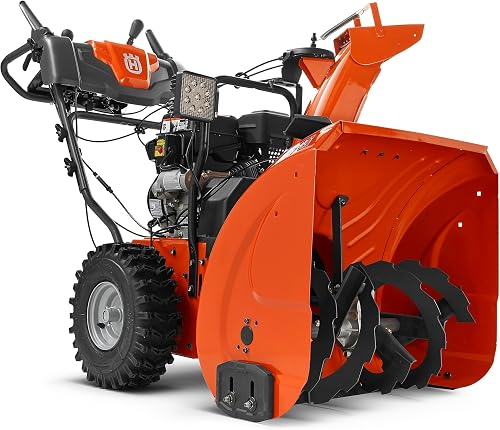 Best for deep snowfall
Husqvarna ST224 24-Inch Two-Stage Gas Snow Blower
Snow blower vs snow plow: which fits your driveway?
A snow blower fits most single home driveways; a plow fits a large area with vehicle access and room to maneuver. Measure the space you clear and identify where snow can go before comparing equipment.
A snow blower clears a path in front of you and throws snow to the side. You can work around parked cars, walks and edges while directing where the snow lands.
A plow moves snow in passes, but each pass needs a route and a place to push the snow. A narrow drive, tight garage approach or nearby sidewalk can limit where the blade can turn or stack snow.
The best snow blowers for large driveways can help if clearing width is your main concern. For a wider look at machine types, read our guide to choosing a snow blower by type, width and power.
How does snow blower vs snow plow clearing width affect the choice?
A wider machine clears more in each pass, but the available turning and storage space matter too. The EGO SNT2134 clears a 21-inch path and the Husqvarna ST224 clears 24 inches.
Those widths help you estimate passes, but they don't account for overlap, turns or obstacles. Measure the narrowest point, such as the gap between a parked car and a wall.
A plow blade's width and the vehicle's turning radius also matter. A blade may cover a straight section quickly, but a small apron or tight turn can slow the work.
Where can the snow go?
A blower works well when you can throw snow to a safe side area; a plow works when you can push snow to a planned bank. Keep discharge and piles away from doors, windows, vehicles, people and neighboring property.
A plow can leave banks along the drive or where its route ends. Check that those banks won't block sightlines, access, drains or the place you need to park.
If there is nowhere suitable to push or throw snow, neither machine solves the layout problem by itself. Plan the clearing route before choosing equipment.
What changes when snow is deep or heavy?
A two-stage blower is worth considering for deeper snow, while a plow can move large amounts across open space. The right choice still depends on the snow you usually get and the equipment available.
The Husqvarna ST224 has a 24-inch clearing width and a two-stage system. It weighs 201.6 lb and includes power steering, so plan for storage and think through how you'll maneuver it.
The EGO SNT2134 is a single-stage cordless blower with a 21-inch path. EGO says its two included batteries can clear up to a 14-car driveway with 8 inches of snow on one charge.
A vehicle plow moves snow in broad passes, but wet, packed or windblown snow can still take more effort. Blade width alone doesn't determine how quickly a storm can be cleared.
For a closer look at blower designs, read what a two-stage snow blower is. If you're comparing fuel and battery power, our gas vs cordless snow blower guide explains the tradeoffs.
Which option needs more space and care?
A blower needs storage for the machine; a plow needs a vehicle plus space for its blade and mounting setup. Compare the whole setup, including charging, fuel and seasonal care.
The VOLTASK cordless snow shovel is a smaller option for short paved areas, with a 16-inch path and wheels. Its compact scale can suit steps and walks, while a large drive can require many passes.
A full-size blower needs a place to store it. For a battery model, keep batteries and charger in a dry, suitable place and follow the battery care instructions; gas models need fuel and engine care according to their manual.
A plow adds vehicle fit, mounting and blade storage questions. Follow the vehicle and plow makers' instructions, and account for the room needed to park and turn with the equipment attached.
What does each setup require beyond the machine?
A plow may require a suitable vehicle and mounting equipment, while a blower works as a standalone machine. What you already own can change which option makes practical sense.
Before choosing a plow, confirm compatibility with your vehicle and check installation requirements. If you would need to buy or change vehicles, include that expense, parking space and maintenance in your comparison.
For a blower, consider the power source, battery needs or fuel, and storage footprint. A smaller machine may take longer on a wide drive, while a large machine can be difficult to store or steer in a tight area.
If you're still deciding whether powered equipment is necessary, compare a blower with a snow shovel. If a blower seems right, our snow blower sale guide can help you compare offers fairly.
Which snow blower fits each driveway?
The EGO suits a typical home drive, the VOLTASK suits a short paved area, and the Husqvarna suits a wider route and deeper snowfall. Each fills a different role, so choose by area and routine rather than by one specification.
EGO SNT2134 for a typical home driveway
The EGO SNT2134 pairs a 21-inch clearing width with two 56 V 6.0Ah batteries and push-button starting. Handle-mounted chute controls direct the discharge, and the handle folds for storage.
EGO says the included batteries can clear up to a 14-car driveway with 8 inches of snow on a charge. Treat that as a maker estimate, since clearing conditions and use affect runtime.
VOLTASK for a short paved drive
The VOLTASK 48V shovel clears a 16-inch path and has wheels and an adjustable support plate. It is designed for paved areas such as drives, patios and walks.
The narrower path means more passes across a broad driveway. Choose it for a short paved entrance where compact handling and storage matter more than covering a large area quickly.
Husqvarna ST224 for a wider route
The Husqvarna ST224 has a 24-inch clearing width, a 212 cc gas engine and a two-stage system. It also includes power steering and a push-button electric starter.
Its weight makes storage and maneuvering key parts of the decision. Consider it when the wider path and two-stage design suit your snowfall and you have room to handle and store the machine.
How should you set up and use your equipment?
Map the route, set the snow destination and check the machine before the first storm. A little preparation helps avoid blocked access, repeated passes and avoidable strain.
For a blower, clear away hoses, toys, loose gravel and other objects that could enter the auger path. Read the manual, check the controls and chute direction, and charge batteries or prepare fuel as required by the model.
Start at the edge where you can throw snow safely, then work in planned strips toward the garage or exit. Adjust the route as piles build so you don't need to throw snow onto an area you've already cleared.
For a plow, confirm the vehicle and blade are connected and adjusted according to their instructions. Decide where the first pass will push snow and leave room to turn before beginning.
Work at a pace you can control, especially around cars and people. Don't reach into an auger or attempt to clear a jam while the machine is running; use the manual's shutdown and clearing steps.
What common mistakes make snow removal harder?
The most common mistake is choosing by advertised width or power without checking the property layout. A machine that can't turn, store or place snow safely won't fit the job well.
Buying a plow before confirming vehicle compatibility can add a large setup problem. Check the vehicle maker's requirements and blade installation instructions before choosing this route.
Choosing a narrow tool for a broad drive can create many extra passes. The VOLTASK 16-inch path is suited to short paved areas, while the wider EGO and Husqvarna models cover more ground per pass.
Another mistake is letting snow pile up until the task becomes harder. Clear in manageable stages when conditions allow, and avoid forcing a machine through snow beyond its intended use.
Finally, don't ignore storage. Batteries need sensible charging and storage care, gas engines need maintenance, and a plow blade needs a place to sit when it isn't attached.
How should you make the final snow blower vs snow plow choice?
Pick a snow blower if you clear one home driveway yourself; pick a plow if you already have a compatible vehicle, a broad route and a safe place to push snow. Choose a cordless shovel when the area is short and paved.
Sketch the drive and mark parked cars, doors, sidewalks, turns and likely snow banks. Consider who will operate the equipment and whether they can maneuver it in the available space.
If you favor a blower, compare its clearing width and power source with your usual snowfall and storage space. If you favor a plow, verify vehicle fit and installation needs before buying the blade.
Our best snow blower picks compare cordless, gas and shovel options. Use that guide to narrow the choice if your driveway points toward a blower.
Frequently asked questions
Is a snow blower better than a plow for a driveway?
A snow blower is usually more practical for a homeowner clearing one driveway because it works without a plow vehicle. A plow can suit a large area when you already have a compatible vehicle and room to maneuver.
Compare the full setup, including storage, cleanup and access.
Can a snow blower handle what a plow leaves at the driveway entrance?
A snow blower can clear a ridge left by a road plow, but the machine and snow conditions matter. The EGO SNT2134 has a steel auger, while the Husqvarna ST224 uses a two-stage system.
Follow the machine's instructions and don't force it through a heavy or compacted ridge.
Which is better for a long driveway?
A plow can move snow across a long driveway in broad passes when the vehicle and blade fit the route. A snow blower works without that vehicle setup, but a narrower clearing width takes more passes.
Compare driveway length, turning room, snow depth and how often you clear.
Can a cordless snow shovel replace a snow blower?
A cordless snow shovel can be enough for a short, narrow paved area, but its 16-inch path is smaller than the EGO and Husqvarna blowers. It can work for walks and small drives; repeated snowfall or a broad area may call for a larger machine.
Do I need a vehicle to use a snow plow?
A snow plow needs a compatible vehicle and suitable mounting setup. Check the vehicle and blade makers' requirements, including capacity and installation instructions, before choosing one.
If you don't already have the right vehicle, compare the full setup and storage needs with a standalone snow blower.


