Snow Blower vs Leaf Blower: Can One Do Both? (November 2026)
A snow blower suits regular or deeper snowfall; a leaf blower may move a light layer of dry snow. This snow blower vs leaf blower choice comes down to snow depth, surface area and how often you clear.
On this page (9 sections)
- Snow blower vs leaf blower: what is the difference?
- When can you use a leaf blower on snow?
- Can a snow blower also clear leaves?
- Which tool fits your snow and space?
- How do you set up and use a snow blower?
- How should you care for either tool?
- Does a leaf blower save time or effort?
- Who should skip a leaf blower for snow?
- How should you decide between a snow blower and leaf blower?
A snow blower suits regular or deeper snowfall; a leaf blower may move a light layer of dry snow. In the snow blower vs leaf blower decision, snow condition and area size matter more than the shared word “blower.”
A leaf blower pushes snow with air. It can be useful for a quick cleanup on a small surface, but it cannot gather, scrape or throw snow through a chute.
A snow blower is built to move winter accumulation. It feeds snow into an auger and sends it away, making it the practical choice for recurring storms, broad paths and snow that has settled.
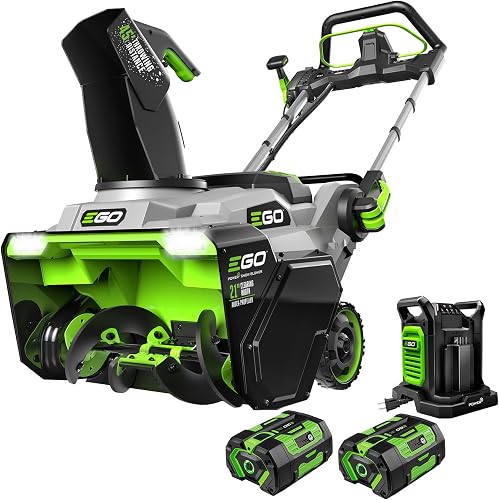 Best for paved driveways
EGO SNT2125AP 21-Inch Auger-Propelled Snow Blower
 Best for light to moderate snow
Snow Joe IONMAX 48V 18-Inch Cordless Snow Blower
Snow blower vs leaf blower: what is the difference?
A snow blower moves snow mechanically, while a leaf blower relies on airflow. The first is snow removal equipment; the second can handle only a narrow set of snow conditions as a convenient extra use.
A leaf blower sends a stream of air across the surface. Dry powder can be light and loose enough to move, especially before it gets trampled or driven over.
The same air may push snow back toward the cleared area if wind or the direction of the path works against you.
A snow blower feeds snow into an auger and directs it through a chute. Its clearing width and intended snow depth vary by model, so compare those with your own driveway or walk rather than assuming every machine handles every storm.
The basic distinction helps avoid a common buying mistake: choosing a tool by its name instead of by the job. If snow is a regular part of winter where you live, buy equipment intended to clear it.
Can a leaf blower clear snow from a driveway?
A leaf blower may clear a short driveway after a light dusting if the snow is dry, loose and shallow. Start soon after snowfall, before foot or vehicle traffic compresses it.
It is a poor fit for long driveways, repeated storms or several inches of accumulation. A leaf blower’s air stream covers a narrow area, so the work can turn into many passes, and the snow still has to go somewhere.
For driveway equipment, consider the area you need to clear, typical snow depth and the surface. Our guide to choosing a snow blower explains how width, power source and machine type affect that choice.
What does a snow blower do that a leaf blower cannot?
A snow blower gathers and ejects snow through a chute, while a leaf blower only pushes loose material with air. That difference matters as soon as snow is heavy, deep or partly packed.
An auger brings snow into the machine, and the chute sends it away. Models differ in clearing width, throw distance and the conditions they suit, so direct discharge away from doors, cars, people and places where drifting snow will cause another problem.
A leaf blower has no snow intake or scraper. It may move powder from the top of a surface, but it is not designed to cut down to pavement or deal with packed tire tracks.
When can you use a leaf blower on snow?
Use a leaf blower only when snow is dry, shallow and loose enough to move with air. If it clings to the pavement, forms clumps or has been compressed, choose a shovel or snow blower.
Timing changes the effort. Clear early, while the layer is still powdery, rather than waiting for boots, tires or warmer conditions to turn it into a heavier surface.
A leaf blower can be handy for a small patio, a few steps or a short walkway after a dusting. Work with the wind where possible and direct snow away from entrances, parked cars and areas that need to stay clear.
Keep the airflow away from people and traffic. Avoid blowing near gravel or debris because the air can send small objects flying.
Why does wet snow defeat a leaf blower?
Wet snow clings to pavement and sticks together, so airflow that moves powder may leave it behind. Packed snow presents the same problem because the air cannot scrape it loose.
Once snow gets walked on or driven over, it may form a slick layer that needs mechanical removal. Continuing to blow can waste time and leave the surface uncleared.
Use a shovel or a snow blower suited to the accumulation. Our snow blower versus snow shovel guide helps compare powered clearing with manual removal.
Is a leaf blower safe to use in winter?
Use it only in a dry area with clear footing, and keep the air stream pointed away from people and traffic. Winter layers can hide gravel, debris and slick spots, so keep your path visible as you work.
Dress for the cold and follow the leaf blower’s manual, including its guidance for outdoor conditions and battery use. Don’t use a tool near water or in conditions its maker says to avoid.
A leaf blower can stir up loose debris along with snow. Clear the area first when you can, and stop if airflow begins carrying objects toward windows, vehicles or passersby.
Can a snow blower also clear leaves?
A snow blower is designed for snow, so check its owner’s manual before using it for leaves. Leaves may block an intake or wrap around moving parts.
Use a rake or leaf blower for fall cleanup. Before storing a snow blower for the season, follow the manual’s cleaning and storage instructions.
If leaves remain when the first snow arrives, clear them where practical before operating the snow blower. This keeps the machine focused on winter material and avoids feeding a mix of leaves and snow into equipment intended for snow removal.
Which tool fits your snow and space?
Choose by the snowfall you need to clear and the size of the area. A leaf blower is a limited option for a dusting, while snow equipment is better for recurring winter cleanup.
| Your situation | Better fit | Why |
|---|---|---|
| Thin layer of dry powder on a short path | Leaf blower may work | Airflow can move loose snow before it packs |
| Wet snow or packed tire tracks | Snow blower or shovel | The snow needs mechanical clearing |
| Long driveway or regular storms | Snow blower | A wider intake clears more with each pass |
| Steps and narrow paths | Snow shovel or cordless snow shovel | A compact tool is easier to control in tight spaces |
| Deep or heavy accumulation | Snow blower suited to the depth | Match the machine to its intended conditions |
No tool removes the need to plan where snow will go. Keep a chute or airflow directed away from paths, entrances and neighboring areas, and avoid sending it onto a surface you will need to clear next.
Which snow blower type fits a small area?
A cordless snow shovel suits steps, patios and narrow paths where a full-size machine may be awkward. The VOLTASK clears a 13-inch path and weighs 11.9 lb with its battery and charger.
For a wider path, the Snow Joe clears 18 inches and has a chute that rotates 180 degrees. It is specified for light to moderate snow up to 10 inches deep, making it a better match for walks and patios than a tiny dusting-only tool.
What fits a paved driveway?
A wider snow blower can reduce the number of passes across a driveway. The EGO has a 21-inch clearing width and an auger-propelled design for pavement.
EGO says its two included batteries can clear a 16-car driveway with 8 inches of snow on one charge. Treat that as a stated capacity, not a promise for every snow condition or driveway layout.
If your main decision is the power source, compare gas and cordless snow blowers. If you are weighing a machine against vehicle-mounted clearing, see snow blower vs snow plow.
How do you set up and use a snow blower?
Read the owner’s manual, assemble the machine as directed and clear the work area before the first snowfall. A little preparation makes it easier to start safely when snow is already on the ground.
For a battery model, charge the batteries according to the manual and store them in the conditions the manufacturer recommends. Check that the battery is seated, the chute points toward a safe discharge area and the controls work as described.
Before each pass, look for objects hidden under snow, including toys, stones or branches. Move steadily and overlap passes slightly so thin strips are not left between them.
Don’t put your hands near an auger or other moving part. If snow blocks the machine, shut it down and follow the manual’s clearing instructions with the supplied tool or another safe method.
How should you care for either tool?
Follow the owner’s manual for cleaning, charging and storage. Keeping snow and debris out of the machine and putting batteries away as directed helps make the next use simpler.
After clearing, switch the machine off before inspecting it. Remove loose snow from accessible surfaces, check for visible damage and let the unit dry according to its instructions before putting it away.
For battery equipment, use the specified charger and avoid leaving batteries exposed to extreme temperatures. For a leaf blower, keep the air intake clear and check the nozzle for debris before the next use.
Store equipment where it will not block exits or walkways. Our snow blower storage guide covers between-season care.
Does a leaf blower save time or effort?
It can save setup time for a small dusting, but it becomes inefficient as the area or snowfall grows. A narrow stream of air can mean repeated passes across a driveway.
Think about the whole cleanup, not just the first sweep. Wind may move the snow back, and a leaf blower cannot scrape away a packed layer left by tires or foot traffic.
A snow blower takes more room and needs routine care, but it is built for clearing snow. Choose based on the area you clear most often and the accumulation you normally face, rather than an unusually light storm.
Battery machines also need charged batteries and suitable storage. Follow the manufacturer’s instructions for charging and cold-weather use.
Who should skip a leaf blower for snow?
Skip a leaf blower as your main winter tool if you clear a long driveway, get regular storms or often face wet and packed snow. Its airflow is too limited for those jobs.
It is also a poor choice if the snow has already been driven over or if you need a reliably clear surface down to pavement. A shovel can handle compact areas, while a snow blower is a better fit for larger areas or frequent clearing.
You may not need to buy a dedicated snow blower if your winters bring only occasional dustings and your outdoor area is small. In that case, a leaf blower you already own may be enough for quick, dry-snow touch-ups.
How should you decide between a snow blower and leaf blower?
Pick a leaf blower for occasional, shallow powder on a small surface; pick a snow blower for routine storms, wider areas or snow that gets wet and packed. For tight paths and steps, a cordless snow shovel may fit better than either full-size tool.
Measure your driveway or walk and note the depth you usually clear. Then compare the snow blower’s clearing width and intended conditions with your space, storage and willingness to manage batteries or other routine care.
If you rarely get more than a dusting, a leaf blower can handle limited touch-ups when conditions are right. If winter regularly leaves snow to clear, choose a snow blower designed for the job and use our snow blower type guide to narrow the fit.
Frequently asked questions
Can a leaf blower clear snow?
A leaf blower may move a thin layer of light, dry, loose snow from a clear surface. It usually struggles with wet, packed or deep snow, which clumps and resists airflow.
Clear snow early and keep the airflow away from people and traffic.
Can you use a leaf blower as a snow blower?
Only for limited cleanup in the right conditions. A handheld leaf blower may clear a dusting from a short walkway or steps when the snow is dry and powdery, but it isn't suited to recurring storms, deep buildup or wet snow.
Is a cordless leaf blower strong enough for snow?
Some cordless leaf blowers may move a light dusting, but battery voltage alone doesn't tell you how well a model handles snow. Check its airflow and runtime, then use it only on dry, loose snow; a snow blower suits a wider path or deeper accumulation better.
What is better for a driveway, a snow blower or a leaf blower?
A snow blower suits a driveway after regular snowfall because it collects and throws snow through a chute. A leaf blower may help with a thin, dry dusting, but clearing a full driveway that way can take repeated passes and leave packed snow behind.
Can a snow blower clear leaves?
A snow blower is designed for snow, so check the owner's manual before using it for leaves. Leaves may block an intake or wrap around moving parts.
Use a rake or leaf blower for fall cleanup.


